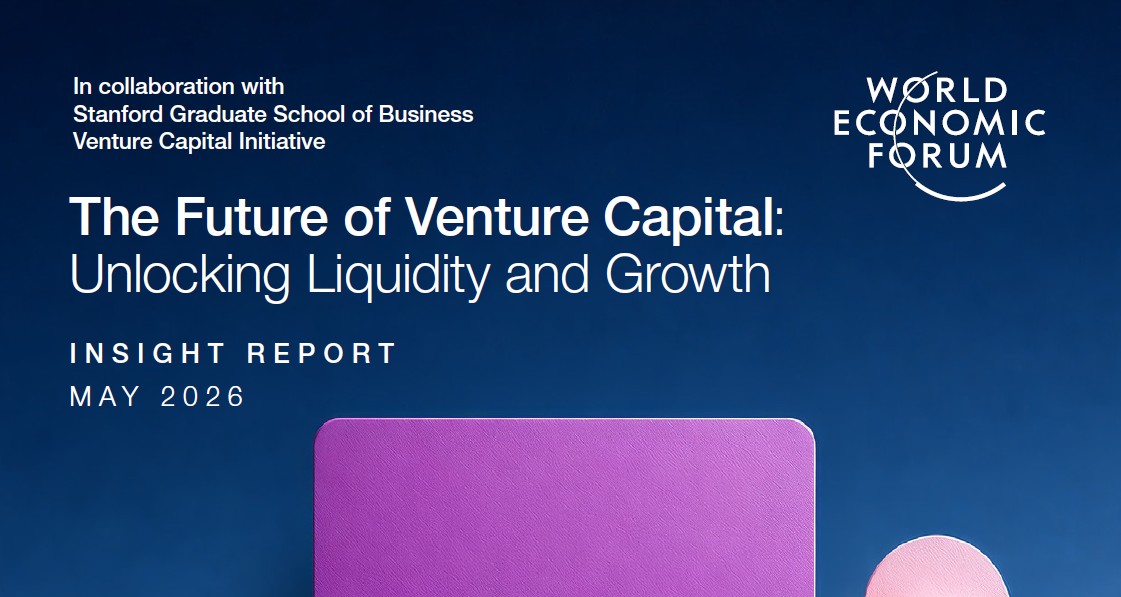
آینده سرمایهگذاری خطرپذیر VC : آزادسازی نقدینگی و رشد 🚀
صنعت سرمایهگذاری خطرپذیر (VentureCapita#) طی دو دهه گذشته از یک ابزار تأمین مالی محدود، به یکی از موتورهای اصلی اقتصاد نوآوری جهانی تبدیل شده است. این صنعت اکنون حدود ۳.۵ تریلیون دلار دارایی تحت مدیریت دارد و بیش از ۲۵۰ هزار شرکت را در سطح جهان تأمین مالی کرده است.
با این حال، گزارش The Future of Venture Capital 2026 نشان میدهد که این اکوسیستم وارد یک دوره گذار ساختاری و فشار سیستماتیک شده است.
📌 این گزارش توسط مجمع جهانی اقتصاد با همکاری دانشگاه استنفورد منتشر شده است.
📊 وضعیت فعلی VC: رشد بالا، اما فشار در سیستم
اگرچه VC از سال 2008 بیش از ۷ برابر رشد کرده، اما امروز با چند چالش جدی روبهرو است:
⚠️ کاهش سرعت Capital Recycling (بازگشت سرمایه به چرخه سرمایهگذاری)
⚠️ افت تاریخی در توزیع سرمایه به LPها (Distributions)
⚠️ افزایش مدت زمان خصوصی ماندن شرکتها (Delayed Exits)
⚠️ تمرکز شدید سرمایه در تعداد محدودی شرکت و حوزه
⚠️ نابرابری شدید در رشد استارتاپها در سطح جهانی
📉اعداد و واقعیتهای کلیدی
-حدود $3.5 trillion دارایی VC در جهان
– بیش از 250,000 شرکت تأمین مالی شده در 20 سال گذشته
– حدود 1,920 یونیکورن خصوصی در جهان
– مجموع ارزش یونیکورنها: بیش از $7.3 trillion
– حدود $3 trillion ارزش تحققنیافته (Unrealized Value) در بازار خصوصی قفل شده است
👉 نتیجه:
سرمایه به جای بازگشت به LPها و تزریق مجدد به استارتاپهای جدید، در شرکتهای خصوصی بزرگ بلوکه شده است.
تمرکز شدید در بازار (Market Concentration)
81% یونیکورنها در دو منطقه اصلی (آمریکای شمالی و آسیا) قرار دارند
اروپا: حدود 13.4%
آفریقا و سایر مناطق: سهم بسیار ناچیز
👉 اکوسیستم نوآوری جهانی به شدت نامتوازن است.
نقش هوش مصنوعی (AI Disruption)
بیش از 50% ارزش کل معاملات VC در سال 2025 مربوط به AI بوده است
چند شرکت AI به تنهایی دهها میلیارد دلار جذب سرمایه کردهاند
👉 نتیجه:
VC وارد عصر Hyper-concentration of capital in AI شده است؛ یعنی سرمایه در تعداد بسیار کمی شرکت متمرکز شده است.
💰 بحران اصلی
مشکل اصلی امروز VC دیگر کمبود سرمایه نیست، بلکه:
⚠️قفل شدن نقدشوندگی (Liquidity Lock-up)
⚠️IPOها دیرتر انجام میشوند
⚠️ خروجها (Exits) کاهش یافتهاند
⚠️ LPها سرمایه خود را دیرتر یا کمتر دریافت میکنند
تغییر ساختار بازار VC
مرزهای سنتی VC در حال محو شدن است و بازیگران جدید وارد شدهاند:
Sovereign Wealth Funds
Corporate Venture Capital
Growth Equity Funds
سرمایهگذاران استراتژیک بلندمدت
👉 VC دیگر یک مدل ساده صندوقی نیست، بلکه یک اکوسیستم ترکیبی از سرمایههای نهادی و استراتژیک شده است.
پنج اولویت (مسیر اصلی) پیشنهادی گزارش
1. توسعه بازارهای ثانویه (Secondary Markets) برای افزایش نقدشوندگی
2. جذب و فعالسازی سرمایه نهادی در مقیاس بزرگ
3. کاهش موانع مقرراتی (Regulatory Friction)
4. تقویت اکوسیستم استعدادمحور
5. مشارکت فعال دولتها در توسعه سرمایهگذاری استراتژیک
آینده این صنعت به توانایی جهان در حل سه مسئله بستگی دارد:
1️⃣ آزادسازی نقدشوندگی
2️⃣توزیع متعادل سرمایه
3️⃣سازگاری با اقتصاد AI
پیام اصلی گزارش این است:
مشکل VC کمبود سرمایه نیست؛ مشکل، گیر افتادن سرمایه در ساختارهای قدیمی و نبود جریان آزاد نقدشوندگی است.
برای دریافت فایل کامل گزارش کلیک کنید
🚀 The Future of Venture Capital : Unlocking Liquidity & Growth
📌 Source:
World Economic Forum (Centre for Financial & Monetary Systems)
in collaboration with Stanford University Graduate School of Business
📊 VC at a Glance
💰 Venture capital has evolved from a niche financing mechanism into a central pillar of the global innovation economy.
Today it manages around $3.5 trillion in assets and has backed more than 250,000 companies over the past two decades.
📈 Since 2008, global VC assets under management have grown from $500 billion → $3.5 trillion (7x growth).
🏆 7 of the 10 largest companies in the world by market cap were once venture-backed.
⚠️ The Core Reality: The Engine is Under Strain
Despite massive growth, the system is now facing structural pressure:
🧊 Capital that should be recycling into the next generation of startups is increasingly locked up
⏳ IPOs and exits are slowing down
📉 Distributions to limited partners are at historic lows
🔁 Capital recycling across the ecosystem is weakening
🧠 The Liquidity Problem
The core challenge is no longer capital scarcity — it is liquidity constraint:
~1,920 unicorns remain privately held
~$7.3 trillion combined unicorn valuation
~$3 trillion in unrealized value locked in private markets
Private company lifecycles are getting longer, delaying exits
🤖 AI is Reshaping Venture Capital
AI is now the dominant force in VC allocation:
⚡ More than 50% of global VC deal value in 2025 went into AI
💡 Capital is becoming increasingly concentrated in a small number of winners
🏗️ The structure of venture-backed companies and scaling paths is changing
👉 VC is shifting from broad distribution → hyper-concentrated AI-driven investment cycles
🌍 Global Imbalance in Scaling
🌎 While startup creation is global, scaling is not:
81% of unicorns are concentrated in just two regions
Europe, Africa, and emerging markets remain underrepresented in scale-up capital
Growth capital access is highly uneven globally
🔧 5 Strategic Priorities to Restore Growth
1️⃣ 🧩 Improve secondary market infrastructure
2️⃣ 💰 Mobilise institutional capital
3️⃣ ⚖️ Reduce regulatory friction
4️⃣ 👥 Strengthen talent ecosystems
5️⃣ 🏛️ Enable strategic government participation
💡 Final Insight
Venture capital is entering a new structural era:
📉 From a high-growth expansion engine
➡️ To a liquidity-constrained, highly concentrated, AI-driven capital system
👉 The key message is clear:
It’s not about lack of capital — it’s about unlocking the capital already trapped in the system.